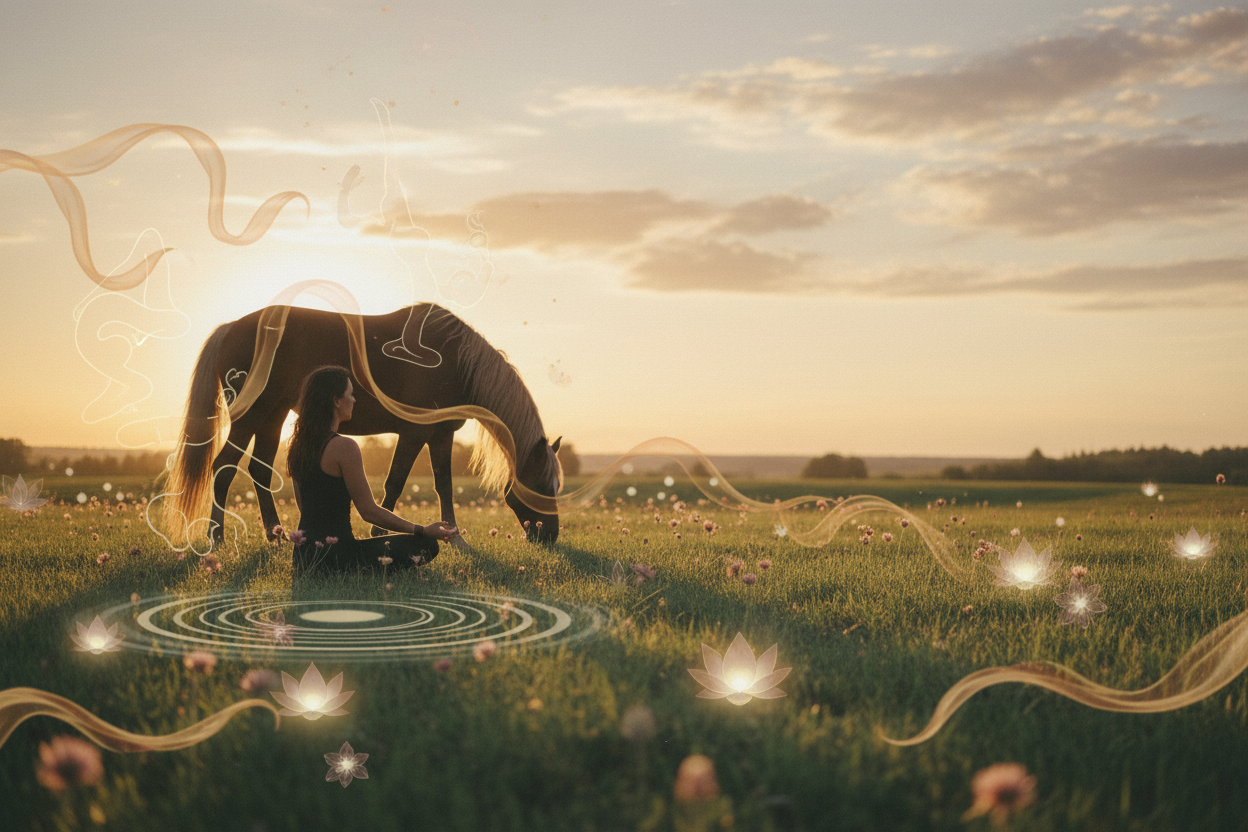
Self-Care Practices Every Equestrian Should Adopt 🐎
Table of Contents
• Introduction: Why Equestrian Self-Care Matters
• Physical Self-Care for Riders
• Mental and Emotional Well-Being
• Nutrition and Hydration for Peak Performance
• Recovery and Rest Strategies
• Building a Sustainable Riding Routine
• Conclusion
• Frequently Asked Questions
Introduction: Why Equestrian Self-Care Matters
If you’ve ever spent a full day at the barn, you know the feeling – muscles aching from hours in the saddle, dirt under your fingernails, and that bone-deep exhaustion that comes from giving your all to your four-legged partner. As equestrians, we pour our hearts into caring for our horses, often forgetting that we need just as much attention and care. 🌟
The truth is, riding isn’t just a hobby – it’s a physically and mentally demanding sport that requires us to be at our best. Whether you’re a weekend warrior or a competitive rider, adopting proper self-care practices isn’t selfish; it’s essential. When we take care of ourselves, we become better riders, more patient trainers, and safer partners for our horses.
Think about it: would you expect your horse to perform at their peak without proper nutrition, rest, and healthcare? Of course not! So why do we often neglect these same fundamentals for ourselves? Today, we’re diving deep into the self-care practices that every equestrian should embrace to maintain their physical health, mental clarity, and overall well-being.
Physical Self-Care for Riders: Building Strength and Preventing Injury
Riding might look effortless from the sidelines, but any equestrian knows it’s a full-body workout that demands strength, flexibility, and endurance. Your physical well-being directly impacts your riding performance and safety in the saddle.
Stretching and Flexibility Routines
Before you even think about tacking up, your body needs proper preparation. I’ve learned this lesson the hard way after years of jumping straight from the car to the saddle! A good stretching routine should focus on your hip flexors, hamstrings, and lower back – areas that take the most stress during riding.
Start with gentle hip circles and leg swings to warm up your joints. Hold each stretch for at least 30 seconds, breathing deeply and allowing your muscles to gradually release tension. Pay special attention to your ankles and calves too, as these areas work overtime to maintain proper stirrup contact and leg position.
Strength Training for Equestrians
Core strength is absolutely crucial for effective riding. A strong core helps you maintain balance, absorb your horse’s movement, and communicate clearly through your seat. Planks, bridges, and Pilates exercises are fantastic for building the deep abdominal and back muscles that support your riding posture.
Don’t forget about your legs! Squats, lunges, and calf raises will improve your leg strength and stability. Strong legs mean better grip and more effective aids. I recommend incorporating these exercises into your routine at least three times a week – your horse will definitely notice the difference in your seat and balance. 💪
Mental and Emotional Well-Being: Nurturing Your Mind
Riding is as much a mental game as it is physical. The pressure to perform, fear of falling, and the emotional investment we have in our horses can take a toll on our mental health if we don’t address it proactively.
Managing Riding Anxiety and Fear
Let’s be honest – every rider has experienced fear at some point. Whether it’s getting back on after a fall or tackling a challenging jump, anxiety is part of the equestrian experience. The key is learning healthy ways to manage these feelings rather than letting them control your riding.
Breathing exercises are incredibly powerful tools. Practice deep, diaphragmatic breathing both on and off the horse. When you feel anxiety creeping in, focus on slow, controlled breaths that help activate your parasympathetic nervous system and calm your mind.
Visualization techniques can also work wonders. Spend time mentally rehearsing successful rides, imagining yourself and your horse working in perfect harmony. This mental practice actually helps build neural pathways that support confident riding. 🧠
Setting Realistic Goals and Expectations
One of the biggest sources of stress for equestrians is unrealistic expectations. Social media doesn’t help – we’re constantly bombarded with highlight reels of perfect rides and flawless performances. Remember that progress in riding is rarely linear, and every horse-and-rider combination develops at their own pace.
Set small, achievable goals that build upon each other. Maybe this week you’ll focus on maintaining a steady rhythm in your posting trot, and next week you’ll work on straightness. Celebrating these small victories keeps you motivated and reduces the pressure that can lead to burnout.
Nutrition and Hydration for Peak Performance
Just like our horses need quality fuel to perform their best, our bodies require proper nutrition to support the demands of riding. Yet many equestrians grab a quick snack between rides or forget to eat altogether during long barn days.
Pre-Ride Nutrition Strategies
Timing your meals around riding is crucial. Eating a heavy meal right before riding can leave you feeling sluggish and uncomfortable, while riding on an empty stomach can lead to fatigue and poor concentration. Aim to eat a balanced meal 2-3 hours before riding, or a light snack 30-60 minutes beforehand.
Focus on complex carbohydrates for sustained energy – think oatmeal with berries, whole grain toast with nut butter, or a banana with yogurt. These foods provide steady fuel without causing energy crashes mid-ride.
Staying Hydrated Throughout Long Barn Days
Dehydration is sneaky – by the time you feel thirsty, you’re already behind. During hot summer days or intense training sessions, you can lose significant amounts of fluid through sweat. Keep a water bottle with you at all times and aim to drink small amounts regularly rather than chugging large quantities sporadically.
If you’re riding for extended periods or in hot weather, consider adding electrolytes to your water. Your body needs these minerals to function properly, and replacing them helps prevent cramping and fatigue. 💧
Recovery and Rest Strategies: Giving Your Body Time to Heal
Recovery isn’t just about sleeping – though quality sleep is absolutely essential. It’s about giving your body and mind the time and resources they need to repair, rebuild, and come back stronger.
The Importance of Quality Sleep
Sleep is when your body does most of its repair work. During deep sleep, your muscles rebuild, your nervous system processes the day’s learning, and your immune system strengthens. As equestrians, we need this recovery time to maintain our reflexes, balance, and decision-making abilities.
Aim for 7-9 hours of quality sleep per night. Create a bedtime routine that helps you wind down – maybe some gentle stretching, reading, or meditation. Keep your bedroom cool, dark, and quiet, and try to maintain consistent sleep and wake times even on weekends.
Active Recovery Techniques
Rest doesn’t always mean complete inactivity. Light activities like walking, gentle yoga, or swimming can actually help your body recover faster by promoting blood flow and reducing muscle stiffness. I love taking my dog for long walks on my rest days – it keeps me moving without the intensity of riding or gym workouts.
Foam rolling and self-massage are also fantastic recovery tools. Spend 10-15 minutes working out knots in your muscles, paying special attention to your calves, IT bands, and hip flexors. Your future self will thank you! 🎯
Building a Sustainable Riding Routine
Consistency is key in equestrian sports, but so is balance. Building a routine that you can maintain long-term requires honest assessment of your time, energy, and goals.
Balancing Barn Time with Personal Life
It’s easy to let horses take over your entire life – trust me, I’ve been there! While passion is wonderful, neglecting other aspects of your life can lead to burnout and resentment. Schedule non-horse activities that bring you joy, whether that’s dinner with friends, hiking, reading, or pursuing other hobbies.
Remember that taking breaks from riding doesn’t make you less dedicated. Sometimes stepping away for a day or two helps you return with fresh perspective and renewed enthusiasm. Your horses will still be there when you get back, probably wondering where their treats are! 😊
Creating Boundaries and Saying No
The equestrian community is incredibly generous, and there’s always someone who needs help with a show, a horse that needs exercising, or a barn chore that needs doing. While helping others is part of what makes our community special, you need to protect your own time and energy too.
It’s okay to say no to requests that would overextend you. It’s okay to leave the barn when you’re tired instead of staying for “just one more ride.” Learning to set boundaries isn’t selfish – it’s necessary for your long-term well-being and riding success.
Conclusion: Investing in Yourself for Better Riding
Self-care isn’t a luxury for equestrians – it’s a necessity. When we take care of our physical health, mental well-being, and overall life balance, we become better riders, more patient horse people, and happier humans. The practices we’ve discussed today aren’t just about improving your riding; they’re about creating a sustainable, enjoyable relationship with horses that can last a lifetime.
Remember, you can’t pour from an empty cup. By investing in yourself through proper nutrition, adequate rest, physical conditioning, and mental health care, you’re not just benefiting yourself – you’re becoming a better partner for your horse and a positive presence in the equestrian community.
Start small. Pick one or two practices from this post and commit to them for the next week. Maybe it’s drinking more water during barn days, or doing a five-minute stretching routine before you ride. Small changes compound over time, and before you know it, these healthy habits will become second nature. Your body, your mind, and your horse will all thank you for it! 🌈
Frequently Asked Questions
How often should I do strength training as an equestrian?
Aim for 2-3 strength training sessions per week, focusing on core stability, leg strength, and overall functional movement. This frequency allows for adequate recovery while building the strength you need for riding.
What should I eat before an early morning ride?
For early morning rides, try a light snack like a banana with a small amount of nut butter, or a piece of toast with honey. These provide quick energy without sitting heavy in your stomach.
How can I manage pre-competition nerves?
Develop a pre-competition routine that includes deep breathing exercises, positive visualization, and familiar warm-up activities. Having a consistent routine helps calm nerves and builds confidence.
Is it normal to feel exhausted after riding?
Some fatigue after riding is normal, especially during intense training or long rides. However, if you’re consistently exhausted, evaluate your nutrition, hydration, and recovery practices. Persistent extreme fatigue may warrant a check-up with your healthcare provider.
How do I know if I’m overtraining?
Signs of overtraining include persistent fatigue, decreased performance, increased injury risk, mood changes, and loss of enthusiasm for riding. If you notice these signs, consider reducing your training intensity and focusing on recovery.
What’s the best way to stretch after riding?
Focus on hip flexors, hamstrings, calves, and your lower back. Hold each stretch for 30-60 seconds and breathe deeply. Gentle twists and forward folds can also help release tension from your riding position.